The Lord of the Rings: an analysis of duty, power, and fellowship
For the third piece, I leave Orwell’s dystopias for J.R.R. Tolkien’s The Lord of the Rings. The story deals with power, corruption, and sacrifice across The Fellowship of the Ring, The Two Towers, and The Return of the King.
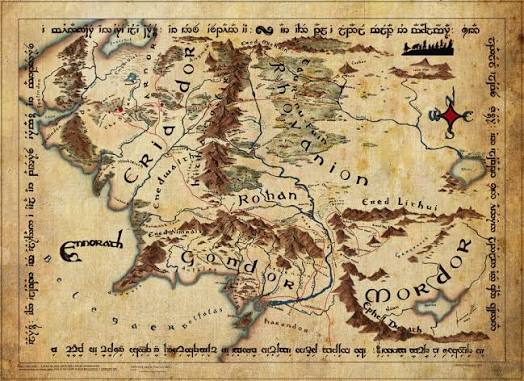
For me, the heart of the saga is duty. Frodo is not a warrior and does not seek glory. He accepts a mission with little chance of success, then keeps going when his body has little left to give. The journey to Mordor demands endurance and resilience.
The book also has much to say about fellowship. Each member of the Fellowship brings a skill and a role. When the group divides in The Two Towers, the trust built early on lets them continue on separate fronts toward the same goal.
The One Ring returns us to the corruption of power. As in Animal Farm, absolute power is a temptation. Boromir believes he can use a tool of domination for good. Carrying the burden to the end without being consumed by it takes discipline.
“I wish it need not have happened in my time,” said Frodo. “So do I,” said Gandalf, “and so do all who live to see such times. But that is not for them to decide. All we have to decide is what to do with the time that is given us.”
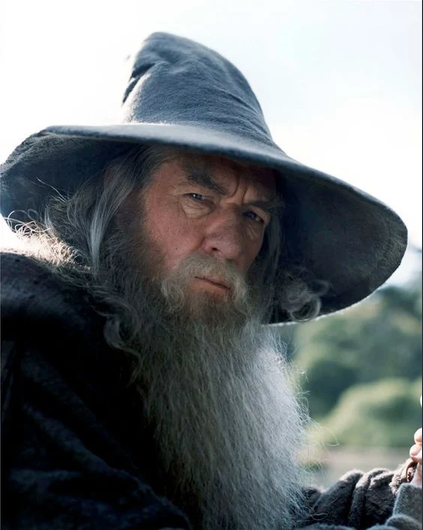
I also like the passage in which Frodo questions Gandalf about Bilbo sparing Gollum. Gandalf replies:
“Many that live deserve death. And some that die deserve life. Can you give it to them? Then do not be too eager to deal out death in judgement. For even the very wise cannot see all ends.”
Gollum’s role at the end of the saga gives this dialogue its weight. No one can let go of the ring on their own, and Bilbo’s kindness has consequences.
“The pity of Bilbo may rule the fate of many.”