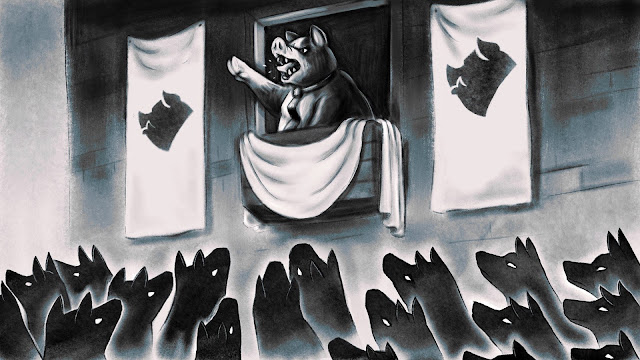
Animal Farm by George Orwell: an analysis of power and corruption
For the second piece in this series, I return to George Orwell with Animal Farm. It follows farm animals who, tired of exploitation, decide to organize politically. From there, the book watches power do its corrupting work.
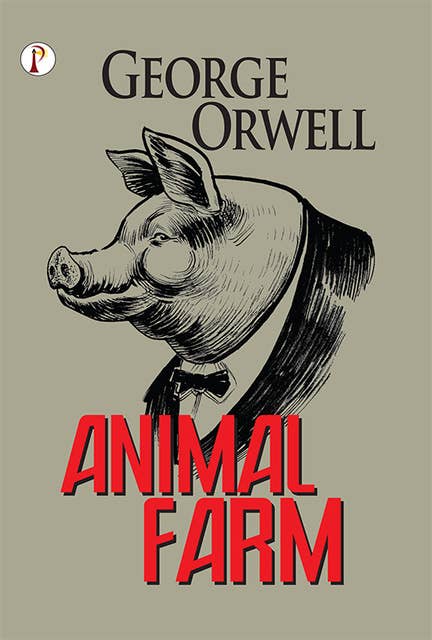
The animals conclude that men are the source of their problems and believe that driving them out will create an equal society. After the revolution, they begin to manage their own future. As I learned in the Armed Forces, “There is no power vacuum”: someone fills the space left behind, and that is what happens on the farm.
At first, the new system seems to work. The work is productive, the harvest is plentiful, and everyone is enthusiastic. Throughout the book, the pigs, considered the most intellectual and put in charge, gradually change the rules of the game.
They rewrite the revolution’s original laws, create privileges for themselves, and return to exploiting the other animals. They use justifications, empty promises, and invented external enemies to keep the population together through fear.
Over time, greed returns the animals to the same state of oppression. Tyranny changes hands, while the structure of exploitation remains.
“The creatures outside looked from pig to man, and from man to pig, and from pig to man again; but already it was impossible to say which was which.”